







24 Aug Canadian Hotel Growth Driven by Summer Festivals
Festivals and Conferences Propel Canadian Hotel Performance in July
In July 2026, Canada’s hotel industry saw impressive growth, spurred by a lively array of festivals and conferences nationwide. As reported by Hotel News Resource, hotel occupancy hit 78.9%, while revenue per available room (RevPAR) jumped 9.0% year-over-year to CAD211.01. This reflects the significant economic benefits cultural and business events bring to local economies.
Montreal Leads in Hotel Performance
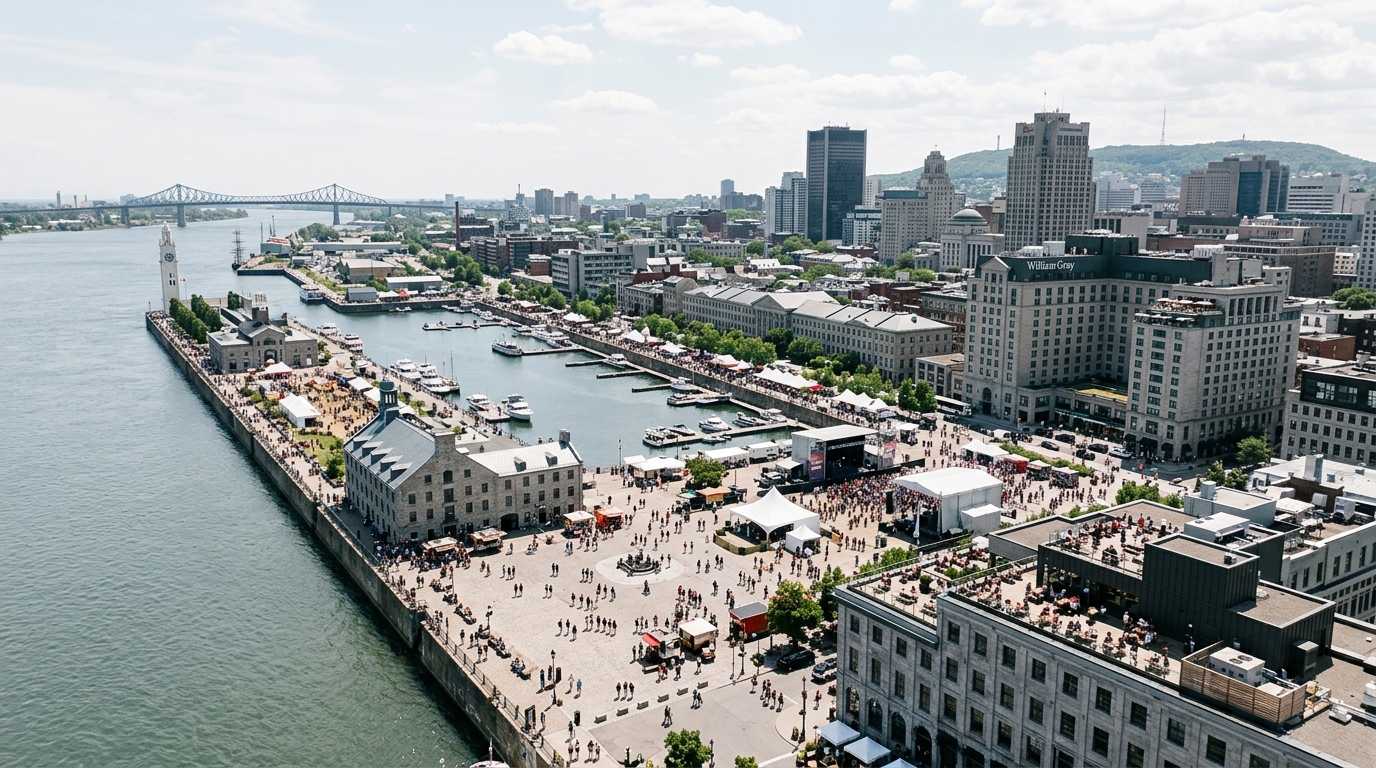
Among Canada’s major hotel markets, Montreal took the lead with notable gains in occupancy, average daily rate (ADR), and RevPAR. The city saw occupancy climb 11.8% to 84.5%, while ADR rose 10.7% to CAD268.71, resulting in a 23.7% boost in RevPAR. Big events like the Montreal International Jazz Festival and Osheaga Music Festival were key in driving this growth, drawing huge crowds and giving a lift to local hospitality businesses. As Hospitality Net notes, these festivals not only enrich the city’s cultural fabric but also significantly bolster its economic health.
Nova Scotia and Quebec: Rising Stars
Nova Scotia and Quebec didn’t lag behind, posting impressive hotel performance gains. Nova Scotia recorded the highest ADR increase, up 12.1% to CAD272.46, thanks to events like the Royal Nova Scotia International Tattoo and the Halifax Jazz Festival. Meanwhile, Quebec’s occupancy rose by 7.8% to 81.7%, with RevPAR shooting up 17.1% to CAD213.11. These numbers underscore the pivotal role regional festivals and conferences play in bolstering tourism and hospitality growth.
Strategic Implications for Hotel Management
For hotel management companies, these results highlight the need for strategic alignment with local events and conferences. Capitalizing on such occasions can greatly enhance hotel performance metrics like RevPAR and ADR. Companies like Peak Hospitality stress the importance of data-driven decision-making and proactive management to seize these opportunities. Aligning with local cultural calendars isn’t just about boosting occupancy rates—it’s about crafting memorable guest experiences.
Looking Forward: Sustaining Momentum
As Canada continues to host a diverse range of festivals and conferences, the hospitality sector must remain nimble to adapt to the shifting landscape. Building strategic partnerships with event organizers and tailoring marketing efforts can further elevate property performance. By anticipating and responding to guest needs, hotels can maintain—and even amplify—the momentum gained from such events.
FAQ
What drove the increase in Canada’s hotel performance in July?
The rise was largely driven by a mix of festivals and conferences across the country, which boosted occupancy and RevPAR, particularly in cities like Montreal, Nova Scotia, and Quebec.
How did Montreal perform compared to other Canadian cities?
Montreal led major markets with an 11.8% jump in occupancy and a 23.7% rise in RevPAR, largely due to significant events such as the Montreal International Jazz Festival and Osheaga Music Festival.
What strategic actions can hotel management take to leverage local events?
Hotels can align their operations with local event calendars, forge strategic partnerships with event organizers, and customize marketing efforts to attract event attendees, thereby enhancing overall property performance.
No Comments