







04 Sep Boutique Hotels: Small Scale, Big Impact
Small Scale, Big Impact: The Essence of Boutique Hotels
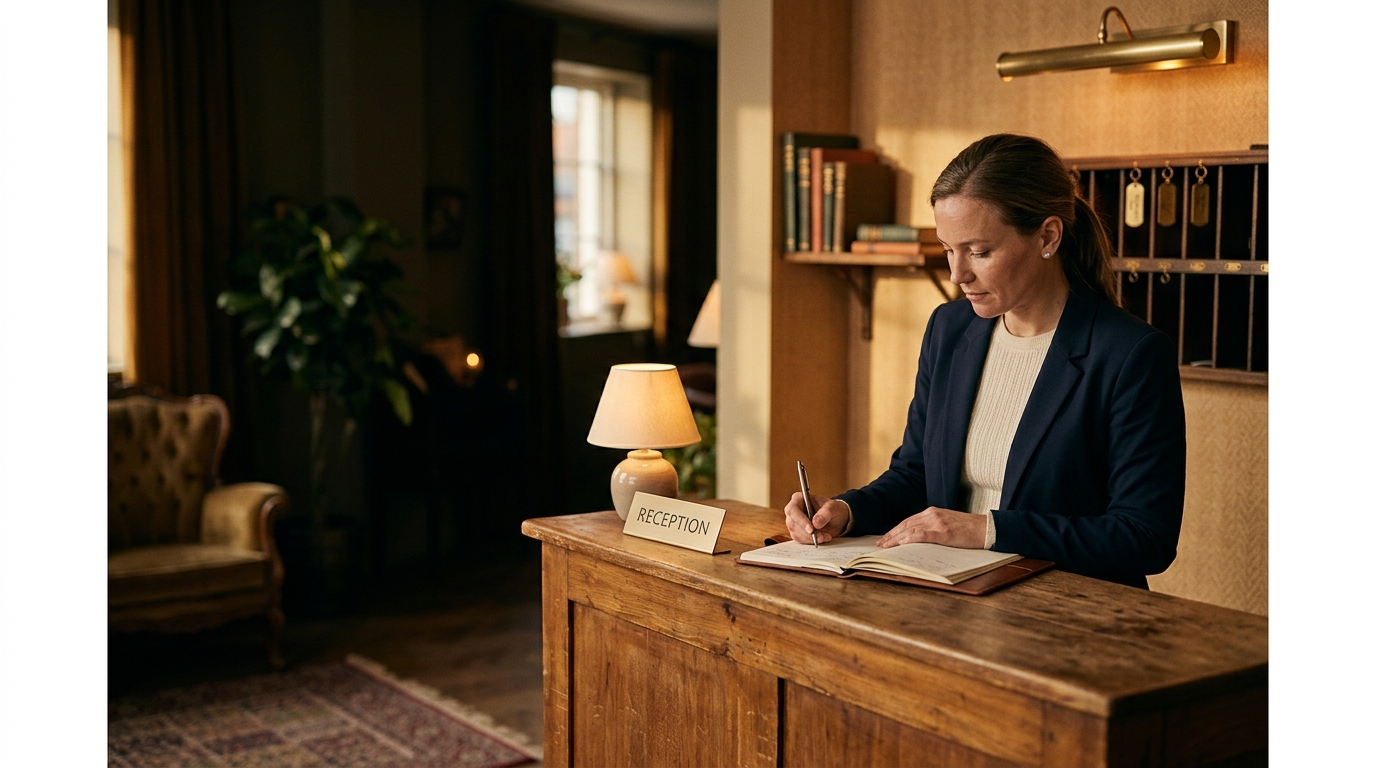
In the world of hospitality, being the best doesn’t mean being the biggest. Boutique hotels prove this by delivering a guest experience that’s both distinctive and tailored, something that sprawling chains often can’t replicate. These smaller gems captivate travelers with their unique design, intimate vibe, and personalized service — ideal for those seeking more than just a bed.
Defining Boutique Hotels
What sets boutique hotels apart? Their unique style and cozy scale. Typically, these hotels house between 10 and 100 rooms, offering a more curated experience for their guests. Unlike their larger counterparts, boutique hotels often embody local flavor and history, giving guests a genuine sense of place. It’s this dedication to uniqueness that lures travelers seeking something special.
Take the UMusic Hotel in Kansas City, for instance. It marries historic architecture with modern comforts, serving up a blend of past and present that strikes a chord with those yearning for authenticity.
The Competitive Edge of Boutique Hotels
They may not match the size of major chains, but boutique hotels thrive where it counts. Guest satisfaction is their forte, often earning higher marks due to their laser-focus on personalized service and detail. This is no accident — it’s a result of smart operational efficiency and bespoke guest engagements.
Moreover, boutique hotels leverage an expert management approach that zeroes in on revenue and occupancy strategies. Even with fewer rooms, they maintain high RevPAR (Revenue per Available Room) rates, rivaling larger players.
Innovative Service and Unique Experiences
At the core of boutique hotels’ success lies innovation. By focusing on guest connection and one-of-a-kind experiences, these hotels craft memories that linger. This can mean offering local amenities, hosting cultural events, or showcasing local art.
Some boutique hotels go further by teaming up with local businesses for exclusive offerings like guided tours or cooking lessons. This strategy not only enriches the guest experience but also boosts the local economy. It’s this creative approach that distinguishes boutique hotels in a bustling marketplace.
Looking Forward: The Future of Boutique Hotels
The appetite for personalized and meaningful travel isn’t fading. As travelers increasingly seek unique and unforgettable experiences, boutique hotels are perfectly poised to meet this demand. With the ability to provide tailored services and immersive settings, they continue to draw those looking for more than a mere layover.
As the hospitality scene shifts, boutique hotels are expected to keep innovating and setting trends, ensuring their place in an industry that cherishes both heritage and evolution.
FAQ
What defines a boutique hotel?
A boutique hotel is distinguished by its unique design, intimate atmosphere, and personalized service, typically offering 10 to 100 rooms to deliver a customized guest experience.
How do boutique hotels differ from large hotel chains?
While boutique hotels emphasize individuality and personalized experiences, aligning with local culture and unique amenities, large chains usually focus on brand consistency and scale.
Why are boutique hotels popular among travelers?
Travelers flock to boutique hotels for their distinctive style, personalized service, and genuine connection with local culture, promising a travel experience that’s both memorable and immersive.
No Comments